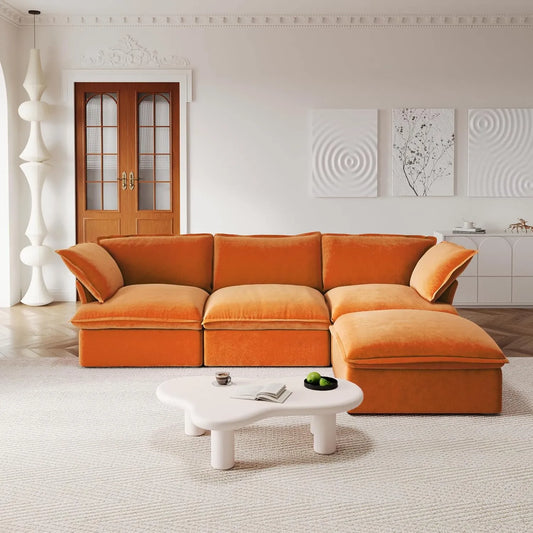
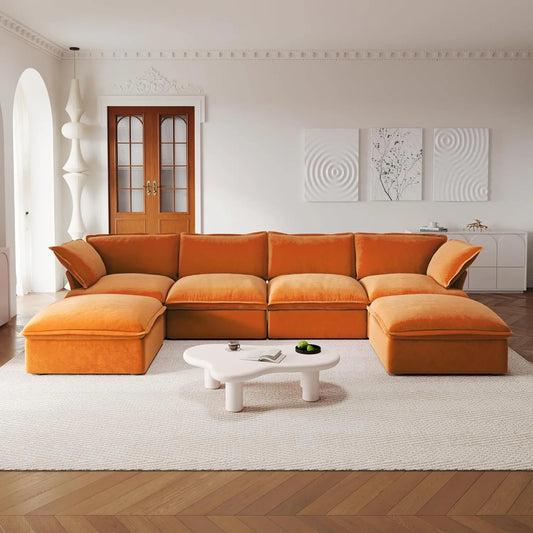
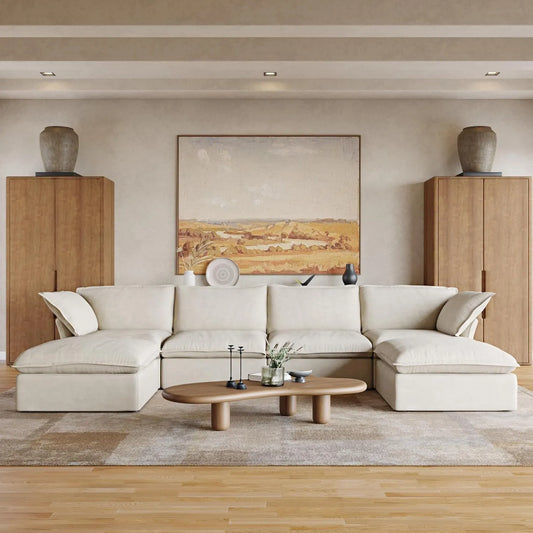
Boneless sofa chairs have become a cozy favorite in many modern homes-and it's easy to see why. Instead of a hard frame, these chairs feature a soft, frameless design that gently molds to your body. When you sit down, you get that relaxed, sink-in feeling that makes it hard to get back up.
More people are discovering boneless sofa chairs as living spaces get smaller and more flexible. They work well in apartments, home offices, and casual living rooms where comfort matters more than formal structure. Social media has also played a big role, with TikTok and Instagram clips showing off their cloud-like look and laid-back vibe.
This guide is for anyone thinking about adding a boneless sofa chair to a reading nook, bedroom, or lounging area. If you want something comfortable, stylish, and easy to live with, the tips below will help you find the right fit without overthinking it.
What Is a Boneless Sofa Chair?
A boneless sofa chair is a type of seating designed without a rigid internal frame. Instead of relying on wood or metal for structure, it uses layered foam to create shape and support. This allows the chair to feel softer, more flexible, and more relaxed than a traditional accent chair.
Boneless vs Traditional Accent Chairs
The biggest difference is structure. Traditional accent chairs use a solid frame to hold their shape, which keeps the seat upright and firm. A boneless sofa chair, on the other hand, has no hard frame, so it gently adjusts to your body when you sit.
This frameless design allows more flexibility and movement. You can shift positions, lean back, or lounge sideways more easily. That's why boneless chairs are often chosen for casual spaces rather than formal seating areas.
Visually, boneless sofa chairs create a softer, more relaxed look in a room. Their rounded shapes and low profile can make small spaces feel less crowded and more inviting, especially in apartments or cozy corners.
Common Materials Used in Boneless Sofa Chairs
Most boneless sofa chairs rely on different types of foam to balance comfort and durability.
High-density foam forms the core structure. It helps the chair hold its shape and prevents it from flattening too quickly with daily use.
Many designs also include memory foam layers on top. These add pressure relief and enhance that sink-in feeling, especially around the back and seat.

Comfort First - How to Evaluate Seating Feel
When choosing a boneless sofa chair, comfort should come before looks. Because these chairs don't have a rigid frame, the way they feel when you sit matters even more. Small differences in softness, size, and back support can completely change the experience.
Cushion Softness & Sink-In Level
Boneless sofa chairs usually fall into two comfort categories: plush or medium support. Plush designs offer a deep sink-in feeling that's perfect for relaxing, reading, or watching TV. They feel cozy right away but can feel too soft if you sit for long periods.
Medium-support chairs still feel soft, but they push back slightly. This makes them more comfortable for long sitting sessions, especially if you plan to use the chair daily. If you often sit for more than an hour at a time, a little structure can help reduce fatigue.
Seat Depth & Width
Seat depth affects how your body rests in the chair. Shallow seating keeps you more upright and works well for smaller rooms or shorter users. Deep seating allows you to stretch out, curl up, or sit cross-legged, which many people prefer for lounging.
Your body type and posture matter here. Taller users usually feel more comfortable with deeper seats, while shorter users may prefer a slightly shallower depth that allows their feet to rest flat on the floor.
Back Support Without a Frame
Because boneless sofa chairs lack a solid frame, back support varies more than in traditional chairs. Low-back designs feel casual and work well for short periods of sitting or relaxed lounging. High-back designs offer better upper-back support and feel more secure.
If you often lean back or rest your head while reading or watching TV, pay attention to head and neck support. Some boneless chairs naturally slope back to support your neck, while others may require a cushion or pillow for added comfort.

Size & Space - Choosing the Right Fit for Your Room
Boneless sofa chairs tend to look soft and relaxed, but size still matters. Choosing the right dimensions helps the chair feel comfortable in your space without making the room feel crowded or awkward.
Measuring Your Space Correctly
Start with the actual floor space you have available, but don't stop there. Boneless chairs often have rounded edges and thick cushions, which can create more visual bulk than their measurements suggest.
Leave enough clearance for movement around the chair, especially if it sits near a doorway, coffee table, or walkway. A chair that technically fits can still feel too large if it blocks natural movement through the room.
Boneless Chairs for Small Apartments
For small apartments, compact boneless chairs are usually the best choice. These designs keep a low profile while still offering a comfortable seat.
Corner-friendly options work especially well in tight layouts. Placing a boneless chair in a corner or against a wall can save space while creating a cozy reading or lounging area without overwhelming the room.
Single Chair vs Modular Seating
A standalone boneless sofa chair works well if you want a simple, flexible seating option that can move easily from room to room.
If you want more versatility, consider pairing the chair with an ottoman or armless piece. Modular setups allow you to stretch out when relaxing or keep things compact when space is limited. This option works well for people who like rearranging their space or hosting guests occasionally.

Fabric & Upholstery – What Works Best for Daily Use
Fabric choice plays a big role in how a boneless sofa chair looks, feels, and holds up over time. Since these chairs are often used for relaxing every day, it's worth choosing upholstery that fits your lifestyle, not just your decor.
Popular Fabric Options
Bouclé has become very popular for boneless seating because of its soft, textured feel. It adds warmth and visual interest, but it can catch dust and pet hair more easily, so it works best in low-shed homes.
Corduroy is cozy, durable, and forgiving. The ribbed texture helps hide minor wear and makes the chair feel extra comfortable. It's a solid option if you want something casual and easy to live with.
Velvet gives a smooth, plush look and feels soft to the touch. While it adds a more polished appearance, velvet can show pressure marks and may require more careful maintenance, especially in high-use areas.
Performance fabrics are designed for everyday life. They're usually more resistant to stains, spills, and fading, which makes them a smart choice for households that use their seating often.
Pet-Friendly & Kid-Friendly Considerations
If you have pets or children, durability should come first. Tighter weaves and thicker fabrics tend to hold up better against scratching and frequent use.
Hair resistance also matters. Fabrics with smooth surfaces usually release pet hair more easily than heavily textured options.
Finally, think about cleaning difficulty. Removable, washable covers or fabrics that wipe clean can save a lot of time and stress in the long run, especially in busy homes.

Durability – How Long Does a Boneless Sofa Chair Last?
A boneless sofa chair can stay comfortable for years, but how long it really lasts depends on what's inside and how carefully it's made. Because there's no hard frame, the foam and stitching do most of the work, so quality matters more than you might expect.
Foam Density Explained
With boneless seating, foam density matters more than cushion thickness. A chair can look thick and fluffy, but if the foam inside is low density, it may start to sag sooner than you'd like. Higher-density foam feels supportive while still staying soft, and it holds its shape better with everyday use.
You can often spot lower-quality foam when cushions flatten quickly, feel uneven after sitting, or don't spring back once you stand up. If a chair feels extremely soft with almost no resistance, it may feel great at first but wear out faster over time.
Stitching, Zippers & Construction Details
Small construction details make a big difference in daily use. Reinforced seams help prevent fabric from stretching or splitting, especially in high-pressure areas like the seat and back.
Zippers and closures are also worth a closer look. Smooth, sturdy zippers tend to last longer and make cleaning less stressful. Removable covers are especially helpful for spills, pets, or kids, while fixed covers can look sleek but usually require more care.
Paying attention to these details can help you choose a boneless sofa chair that stays cozy, supportive, and good-looking for the long run.

Style & Aesthetic Match
A boneless sofa chair doesn't just affect comfort—it also sets the tone of the room. Because these chairs have soft shapes and a relaxed look, choosing the right style and color helps them blend naturally into your space instead of standing out in the wrong way.
Matching a Boneless Chair to Your Interior Style
For a modern interior, look for clean lines, low profiles, and solid colors. A structured silhouette with smooth fabric keeps the space feeling polished rather than overly casual.
In minimalist homes, simple shapes and neutral tones work best. Avoid heavy textures or bold patterns so the chair feels calm and intentional instead of visually busy.
If your space leans cozy or Japandi, boneless chairs are an easy fit. Soft curves, textured fabrics, and warm, earthy colors help create a relaxed and inviting atmosphere that feels natural and balanced.
In casual family rooms, comfort usually comes first. Slightly larger chairs with durable fabrics work well here, especially in colors that hide everyday wear and blend easily with other furniture.
Color Choices That Age Well
When it comes to longevity, neutral colors like beige, gray, cream, and soft brown tend to age better than trendy shades. They're easier to style and adapt well if you change your decor later.
Trendy colors can add personality, but they may feel dated faster. If you love bold colors, consider using them in smaller spaces or pairing them with neutral surroundings.
Choosing between light and dark fabrics also matters. Light colors feel airy and brighten a room but may show stains more easily. Dark fabrics hide wear better and feel more grounded, making them a practical choice for busy households.
Practical Features Worth Considering
Beyond comfort and style, a few practical features can make a big difference in how much you enjoy a boneless sofa chair over time. These details may seem small at first, but they often matter the most in daily life.
Removable & Washable Covers
Removable, washable covers are especially useful if the chair gets regular use. They matter most in homes with pets, kids, or frequent guests, where spills, dust, and everyday messes are hard to avoid.
Being able to take off the cover and clean it helps the chair stay fresh without extra stress. Even in quieter homes, washable covers add peace of mind and make long-term care much easier.
Lightweight & Easy to Move
One of the biggest advantages of a boneless sofa chair is how lightweight it tends to be. This makes rearranging your space simple, whether you're moving the chair closer to a window or adjusting the layout for guests.
Easy movement also makes cleaning more convenient. You can lift or slide the chair without effort, which helps keep floors and corners dust-free without turning cleaning day into a workout.

Price Range & Value for Money
Boneless sofa chairs come in a wide range of prices, and higher cost doesn't always mean better comfort. Understanding what you're paying for can help you choose a chair that feels worth it in the long run.
Budget vs Premium Boneless Sofa Chairs
Budget options usually focus on softness and appearance. They can feel cozy at first and look great in photos, which makes them appealing for short-term use or lighter seating needs. However, brands often cut costs here by using lower-density foam, simpler stitching, or fixed covers that are harder to clean.
Premium boneless chairs tend to use higher-density foam, stronger construction, and better-quality fabrics. These details help the chair keep its shape longer and feel supportive over time. You'll also see more thoughtful design features, such as removable covers or layered foam construction.
Is a Boneless Sofa Chair Worth the Price?
Whether a boneless sofa chair is worth the price often comes down to the balance between comfort and longevity. Softer, lower-priced chairs may feel great at first but lose support faster with daily use.
If the chair is meant for occasional lounging, a budget option can make sense. For everyday use, spending a bit more usually means better support, easier maintenance, and a chair that stays comfortable longer. Matching the price to how you plan to use the chair is the easiest way to feel satisfied with your choice.

Common Mistakes to Avoid When Buying
Boneless sofa chairs are designed for comfort and relaxation, but a few common mistakes can lead to disappointment if expectations aren't clear from the start.
One common mistake is choosing looks over support. A chair may look soft and stylish, but if the foam quality is low, it may not stay comfortable after regular use. Comfort always feels better in the long run than a trendy design alone.
Another issue is ignoring seat depth. A chair that's too deep can feel awkward if you prefer upright sitting, while one that's too shallow may feel restrictive if you like to lounge. Checking seat depth helps avoid a chair that doesn't match how you naturally sit.
Finally, many buyers expect firm, upright posture seating from a boneless chair. These chairs are meant for relaxed, casual use rather than structured support. If you need strong lumbar or office-style seating, a traditional chair may be a better fit.
Keeping these points in mind can help you choose a boneless sofa chair that feels right from day one.
Who Should Buy a Boneless Sofa Chair (and Who Shouldn't)
A boneless sofa chair can be a great addition to the right space, but it isn't the best choice for everyone. Knowing how you plan to use it makes the decision much easier.
Best Use Cases
Boneless sofa chairs work especially well for lounging. Their soft, flexible shape makes it easy to relax, stretch out, or change positions without feeling restricted.
They're also a good fit for reading, especially in bedrooms or quiet corners where comfort matters more than structure. The sink-in feel encourages a relaxed posture that feels natural for longer reading sessions.
For casual TV watching, boneless chairs offer an easygoing alternative to traditional seating. They're comfortable for winding down, watching a few episodes, or relaxing at the end of the day.
When a Traditional Chair Is a Better Choice
If you spend long hours sitting for work or focused tasks, a traditional chair is usually the better option. Boneless chairs are not designed for desk-level support or upright posture.
They're also not ideal if you need strong lumbar support. People with back issues or specific ergonomic needs may feel more comfortable with a structured chair that provides firmer back and waist support.
Understanding these differences helps set the right expectations and leads to a more satisfying purchase.
Final Checklist Before You Buy
Before you place an order, taking a few minutes to double-check the basics can save you from second thoughts later.
Make sure your space is measured, including enough room around the chair for walking and movement. A boneless sofa chair should feel comfortable in the room, not crowded.
Be clear about your seating preference. Think about whether you enjoy a deep, sink-in feel or something slightly more supportive, and how long you usually sit at one time.
Confirm your fabric choice based on daily use. Consider durability, texture, and whether the fabric fits your lifestyle, especially if pets, kids, or frequent use are involved.
Finally, set realistic maintenance expectations. Knowing how often the cover needs cleaning and how easy it is to care for helps keep the chair looking and feeling good over time.
If everything on this checklist feels right, you're well on your way to choosing a boneless sofa chair that fits both your space and your lifestyle.