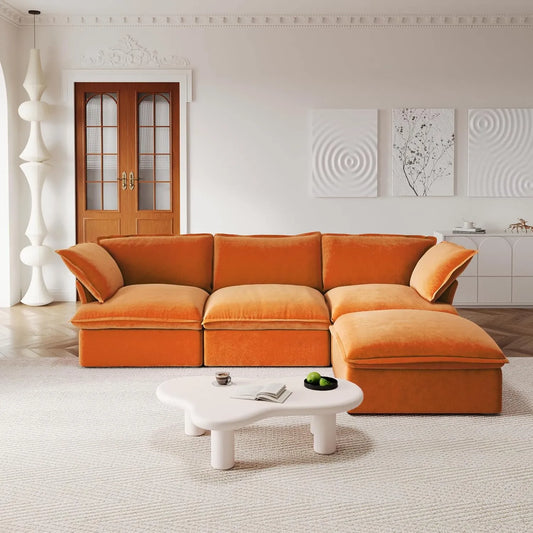
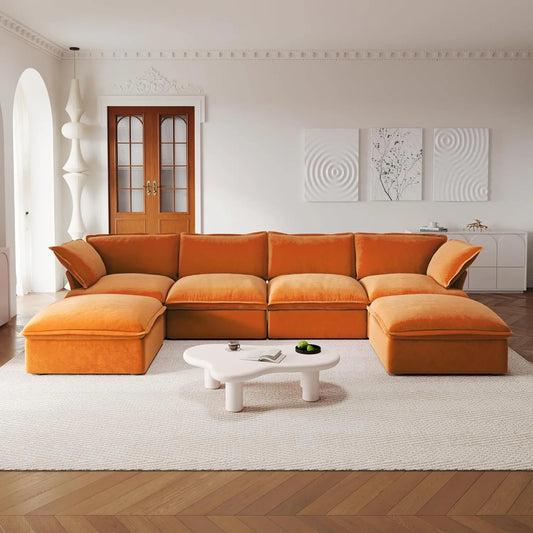
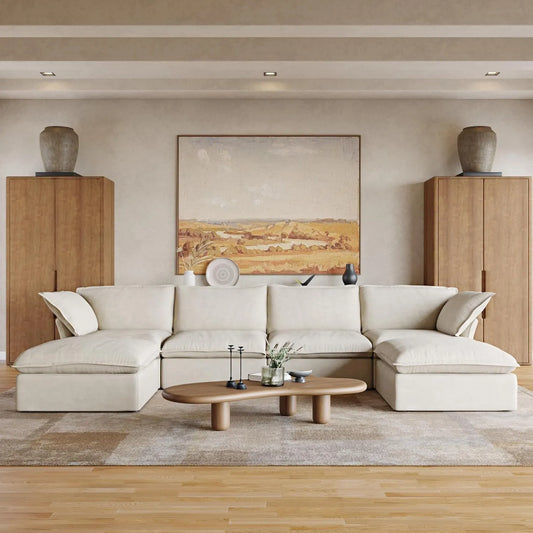
Boneless sofas often get mistaken for bean bags-and at first glance, it's easy to see why. Both look soft, casual, and perfect for sinking into after a long day. As TikTok and Instagram continue to showcase cloud-like, frameless seating, boneless sofas have quickly become a favorite in modern, relaxed homes. But despite the similar appearance, these two seating options are built very differently. In this guide, you'll learn how boneless sofas compare to bean bags, how each one feels, and which option actually fits your comfort needs and lifestyle.
What Is a Boneless Sofa?
A boneless sofa, sometimes called a frameless sofa, is a type of seating made without a rigid wood or metal frame. Instead of relying on a traditional skeleton, it uses layers of high-density foam to create shape, comfort, and support. This design allows the sofa to feel soft, flexible, and relaxed while still functioning like a real couch.
The term "boneless" comes from its lack of a hard internal structure. Just like the name suggests, the sofa removes the "bones" found in traditional furniture, resulting in a lighter, more casual seating option.
Compared to traditional framed sofas, boneless sofas feel less stiff and more adaptable. They are designed for lounging and comfort rather than upright, formal sitting, which makes them popular in apartments, bedrooms, and relaxed living spaces.
Key Features of a Boneless Sofa
Boneless sofas use foam-based construction instead of frames, allowing the seat to gently adjust to your body. This creates a cloud-like seating feel that supports lounging, stretching, or curling up.
Most designs feature a low-profile silhouette with rounded edges, which helps soften the look of a room. This shape makes spaces feel more open and inviting, especially in smaller or more casual interiors.

What Is a Bean Bag Chair?
A bean bag chair is a soft, flexible seat filled with loose materials rather than a solid structure. Most bean bags use polystyrene beads or shredded foam inside a fabric cover. When you sit down, the filling shifts to match your body shape, creating a relaxed, sink-in seating experience.
Bean bags are designed to be casual and informal. They don't have a fixed shape, which makes them easy to move and fun to use in laid-back spaces. Because of this, they're commonly found in kids' rooms, dorms, gaming setups, and casual hangout areas where comfort matters more than posture.
How Bean Bags Support the Body
Bean bags support the body by allowing the filling to move freely. As you sit, the beads or shredded foam spread out and form around you, which helps reduce pressure points.
However, this sink-in design also means limited structure. Bean bags don't naturally support upright posture or the lower back. Over time, sitting too long can feel uncomfortable for people who prefer more stability or need consistent back support.
Boneless Sofa vs Bean Bag - What's the Real Difference?
While boneless sofas and bean bag chairs may look similar at first glance, they are built for very different seating experiences. The biggest differences show up in structure, support, durability, and how they fit into a living space.
Internal Structure & Materials
A boneless sofa uses high-density foam blocks or layered foam to create its shape. This allows the sofa to hold a consistent form, even after repeated use. In contrast, a bean bag is filled with loose beads or shredded foam that shift freely when you sit.
Because of this, boneless sofas retain their shape, while bean bags tend to collapse fully under body weight and need frequent fluffing or refilling to stay comfortable.
Comfort & Support Comparison
Boneless sofas provide better support for the back, arms, and shoulders, making them suitable for longer sitting sessions. You can sit upright, lean back, or lounge without sinking too deeply.
Bean bags focus on relaxation rather than posture. They're great for casual lounging but offer limited neck and lumbar support. Sitting upright for extended periods can feel unstable or tiring.
Durability & Longevity
Foam-based boneless sofas are designed for long-term use. High-density foam can maintain comfort and shape for several years with proper care.
Bean bags tend to wear out faster. Beads compress over time, which leads to flattening and less support. Many bean bags require refilling or replacement after regular use.
Size, Weight & Room Presence
Boneless sofas have a more defined shape and a stronger visual presence, which helps them feel like real furniture in a living room or apartment. They sit slightly off the floor and blend more naturally with other seating.
Bean bags usually sit directly on the floor and can appear more casual or temporary. While lightweight and easy to move, they're better suited for flexible spaces rather than main living areas.

Is a Boneless Sofa Better for Your Back Than a Bean Bag?
In most cases, yes-a boneless sofa is better for your back than a bean bag, especially if you sit for more than short periods of time. The difference comes down to posture and consistent support.
Boneless sofas hold their shape, which helps keep your spine in a more natural position. The foam provides gentle resistance, supporting the lower back and shoulders instead of letting your body sink too deeply. This makes it easier to maintain a relaxed but balanced posture while reading, watching TV, or socializing.
Bean bags, on the other hand, allow your body to sink freely. While this can feel comfortable at first, it often leads to slouched posture and uneven weight distribution. Over time, this lack of structure can strain the lower back and neck.
People who benefit most from a boneless sofa include those who want casual comfort with light support, spend moderate time sitting, or prefer lounging without fully collapsing into the seat. If back comfort matters, a boneless sofa is usually the healthier everyday choice.

Why Boneless Sofas Are Trending Right Now
Boneless sofas didn't become popular by accident. Their rise closely follows how people live and relax at home today.
Social media platforms like TikTok and Instagram have given these sofas a big boost. Short videos showing boneless sofas being unboxed, puffing up, or styled in cozy apartments are everywhere. Their soft, cloud-like look is very eye-catching, which makes people stop scrolling and imagine one in their own space.
At the same time, many people are living in smaller homes or rental apartments, where flexibility really matters. Boneless sofas are lighter, easier to move, and simpler to fit into different layouts than traditional couches, which makes them feel more practical for everyday life.
There's also been a clear move toward comfort-first, relaxed interiors. Instead of stiff, formal furniture, more people want seating that feels warm and inviting. Boneless sofas fit right in, offering a cozy, laid-back vibe that's perfect for real, everyday living.

Practical Benefits of a Boneless Sofa
Beyond looks and comfort, boneless sofas come with everyday benefits that make them easy to live with, especially in modern homes.
Easy Delivery & Setup
One of the biggest advantages is how simple delivery can be. Most boneless sofas arrive compressed in a box, similar to a mattress. Once unpacked, the foam expands on its own. There's no assembly required, no tools, and no struggling with heavy frames through narrow hallways or staircases.
Modular & Flexible Layouts
Many boneless sofas use modular designs, which means you can start with a single seat or combine pieces to create a sectional. This makes it easy to adjust the layout as your space or needs change. Rearranging is simple, whether you're moving to a new home or just refreshing the room.
Safety for Kids & Pets
With no sharp edges or hard frames, boneless sofas are naturally safer for homes with kids or pets. The soft, forgiving surfaces help reduce bumps and scrapes, and the low profile makes them easy to climb on and off. It's a comfortable, worry-free option for active households.

Who Should Choose a Boneless Sofa?
Best Use Cases
A boneless sofa is perfect for lounging, reading, or casual TV watching. Its soft, flexible design encourages a relaxed posture, making it ideal for bedrooms, apartments, or family rooms where comfort comes first. These sofas also work well as relaxed social seating, offering a cozy spot for friends or family to gather without the formality of traditional couches.
Who a Boneless Sofa Is NOT For
While boneless sofas are comfortable, they aren't suitable for everyone. They lack firm, upright seating, so anyone who spends long hours at a desk or needs structured posture support may find them unsupportive. If strong lumbar support or an office-style sitting position is essential, a traditional framed sofa or ergonomic chair is a better fit.
Boneless Sofa vs Bean Bag - Quick Comparison Table
To help you see the differences at a glance, here's a side-by-side comparison of boneless sofas and bean bags based on key features:
| Feature | Boneless Sofa | Bean Bag Chair |
|---|---|---|
| Support Level | Medium to firm, supports back, neck, and arms | Low, sinks in with minimal posture support |
| Shape Retention | Holds its shape well due to high-density foam | Fully collapses and shifts with beads or shredded foam |
| Durability | Long-lasting with proper care, foam resists flattening | Needs refilling or replacement over time |
| Ease of Movement | Lightweight, easy to rearrange | Very light, moves easily but can spill filling if punctured |
| Best Use Scenarios | Lounging, reading, casual TV, small apartments | Gaming, kids' rooms, dorms, casual floor seating |
This table makes it easy to decide which option fits your space, comfort needs, and lifestyle.
Final Verdict - Is a Boneless Sofa Just a Bean Bag?
The short answer is no-a boneless sofa is not just a bean bag. While both are soft, casual seating options, a boneless sofa is designed with high-density foam layers that provide structured support for your back, neck, and arms. Unlike a bean bag, it retains its shape, offers more comfort for lounging or reading, and lasts longer with proper care.
If you want a seat that's cozy, flexible, and supportive, a boneless sofa is ideal. Bean bags are better for short-term seating, kids' rooms, or floor-level lounging. Consider your space, daily use, and posture needs to pick the option that fits your lifestyle best.